Unpopular Opinion - If you are a woman during your fertile years, a simple vegan diet may not be your best friend.
The Chinese Medicine Perspective On The Vegan Diet
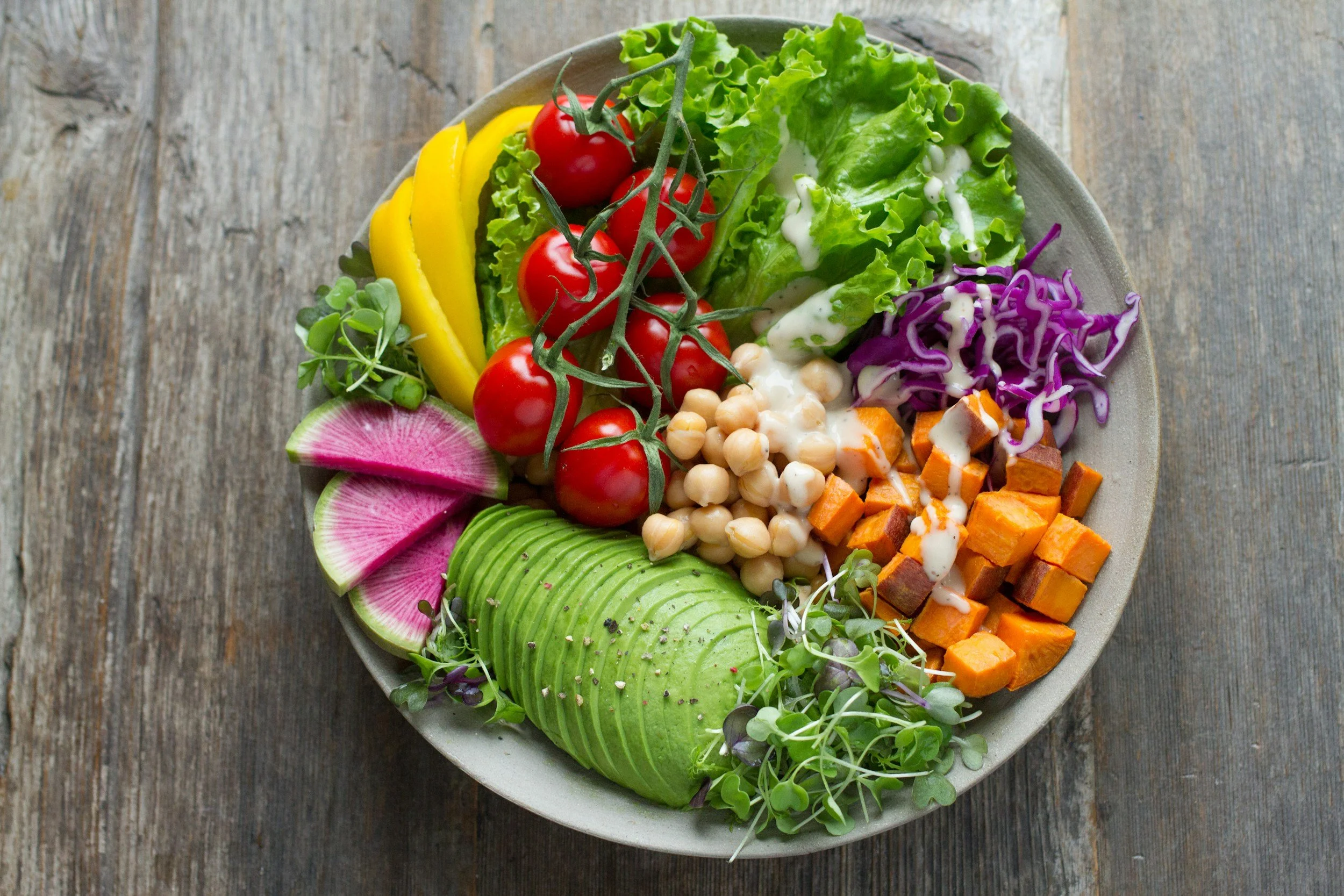
The rise of plant-based eating is one of the most significant shifts in modern nutrition. For many, it represents an ethical choice and a pursuit of vitality. However, when we view diet through the lens of Traditional Chinese Medicine (TCM) Food Therapy, the conversation changes dramatically. It moves from counting calories and macros to assessing the subtle, yet powerful, energetics of food — specifically how diet impacts our deep reservoirs of Blood and Qi (vital energy).
For women in their fertile years (roughly ages 18–45), these reserves are constantly taxed by the demands of menstruation, stress, and modern life. From a TCM perspective, simply adopting a “standard” vegan diet without careful planning can inadvertently lead to a long-term depletion of the body’s most precious resources.
1. The Challenge of Replenishing Blood: More Than Just Iron
In Western nutrition, Blood is a laboratory value — we look at hemoglobin and ferritin. In TCM, Blood is a profound, nourishing substance that moistens the tendons, houses the mind (Shen), and, most critically, is the material basis for the menstrual cycle and a healthy pregnancy.
The challenge for those on a strict plant-based diet is that many of the most potent substances traditionally used in TCM to build and replenish Blood are non-vegan.
TCM’s Blood Builders: High-quality animal proteins, especially red meat, liver, and rich bone broth, are considered highly potent and easily assimilated for Blood production. They are direct, warming, and efficient.
The Vegan Gap: While plants contain iron, the absorption rates are lower (non-heme iron). Furthermore, the sheer volume and complexity required to replace the deep nourishment of animal-sourced Blood builders can lead to women running on a subtle deficit. Over time, this chronic under-nourishment of Blood can manifest as insomnia, anxiety, dry skin, fatigue, and even delayed or scanty periods due to anemia.
For women dealing with regular monthly Blood loss, relying solely on a simple vegan diet often means fighting a harder battle to keep reserves topped up.
2. The Cold Factor: Guarding Your Inner Fire (Yang)
Beyond Blood, TCM emphasizes the body’s internal heat, known as Yang. Yang is the active, moving, warming force that governs digestion, energy, and warmth in the body. A strong Yang is necessary for a healthy metabolism and, critically, for warmth in the Uterus and Kidneys — a concept linked to fertility and vitality.
Plant-based diets often feature foods that are considered cooling energetically: raw vegetables, salads, smoothies, tropical fruits, and tofu. While good for clearing heat in the summer, an overreliance on these foods year-round can slowly dampen the body’s internal fire.
This gradual depletion can lead to Kidney Yang Deficiency, an energetic pattern characterized by:
Perpetually cold hands and feet.
Low overall energy and drive.
A preference for warmth and hot drinks.
A sluggish metabolism.
In the context of fertility, a “cold uterus” is a common energetic diagnosis that can make implantation challenging.
Sustainable wellness is not meant to be a short-term sprint that leads to a long-term crash. It must be built on a foundation of nourishment that supports your body’s deepest needs.
3. Finding the TCM-Vegan Balance
Choosing a vegan diet is a powerful personal decision, but for women in their fertile years, it must be approached as a high-level, strategic nutritional project, not a simple elimination diet. The goal is to counteract the energetic cooling tendency and intelligently replace the deep nourishment of the missing Blood and Yang builders.
Throughout my sessions, I have consistently respected my clients’ choices and worked with them to successfully guide their vegan diets.
The core message is this: “if you choose this path, you must be meticulously conscious about counteracting the energetic gaps.”
My goal here is not to critique the philosophy, but to illuminate the specific, required adjustments when viewing this choice through the lens of TCM and female health. Ignoring this energetic shift can lead to subtle, systemic depletion over time.
In my Food Therapy Sessions we always define a conscious plan with the strategy to warm the body taking into account the food we need prioritize, the spices we need to introduce, intelligent supplementation and what they need to avoid.
I hope you enjoyed this piece.
Join the Balance Seeker’s Newsletter for exclusive monthly insights — All About Food Therapy: https://www.myowntruebalance.com/
It is free, it is useful, it has exclusive content!
In addition you can also follow me on: