The Perilous Path of Extreme Restriction
Why the Macrobiotic Diet is a Threat to Long-Term Health
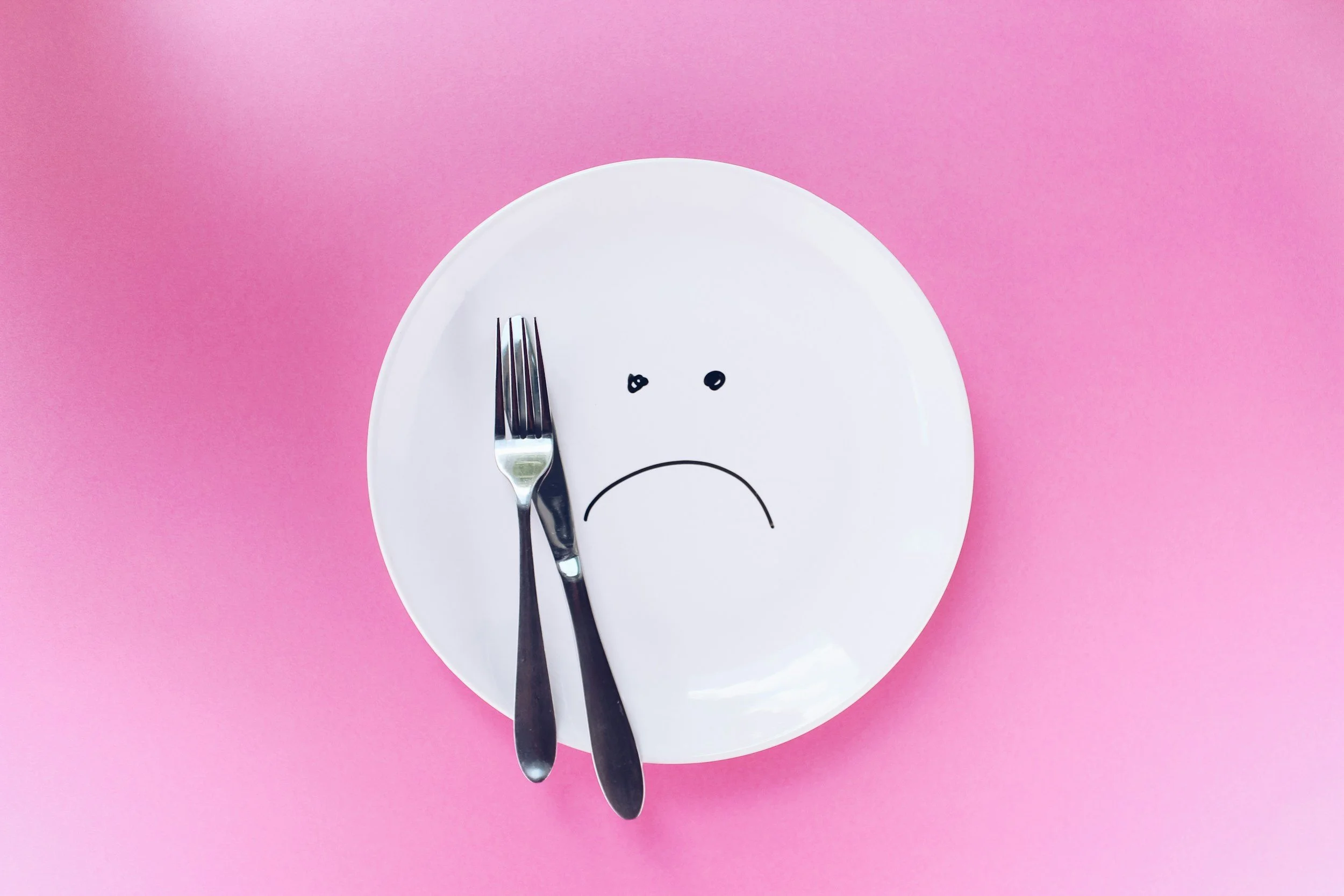
The search for optimal health and a sense of well-being often leads individuals, particularly women, down the path of restrictive dietary programs. Among these, the Macrobiotic Diet has gained a subtle following, initially promising transformative benefits. While many proponents report a feeling of vitality and improvement in the early stages, this initial euphoria masks a dangerous reality. The evidence against this diet is overwhelming, signaling that its extremely restrictive nature poses a severe threat to long-term health and requires immediate discontinuation.
The primary danger of the Macrobiotic Diet lies in its extreme and unsustainable restriction. It is fundamentally an unbalanced approach that starves the body of necessary nutritional components. A diet’s success is measured not just by short-term changes but by its ability to provide comprehensive nourishment for continuous physical and cognitive function. The Macrobiotic Diet fails this test spectacularly by eliminating or severely limiting entire food groups, creating a nutritional deficit that the body cannot sustain.
This severe restriction inevitably leads to a cascade of critical nutrient deficiencies. The human body requires a complex array of essential micronutrients — vitamins and minerals — as well as a balanced profile of macronutrients (proteins, fats, and carbohydrates) to operate effectively. By being so unbalanced, the Macrobiotic Diet quickly depletes the body’s reserves, denying it the raw materials needed for everything from immune function and hormone regulation to energy production and cellular repair. This lack of essential building blocks means that while the individual may feel “lighter” or “detoxified” initially, they are simultaneously ushering in a state of malnourishment.
The most harrowing consequence, however, is “The Crash.” The initial feeling of well-being is merely a temporary metabolic state fueled by existing reserves and the novelty of a major dietary shift. After a period of only a few months, the body reaches a tipping point where its reserves are exhausted, and the relentless deprivation takes its toll. Women who follow this diet frequently report becoming severely ill, signaling a systemic breakdown. The recovery from this crash is not a matter of a few weeks of better eating; it can require years of intense, focused recovery to bring the body back to a baseline of normal health, effectively sacrificing years of life for a brief, unbalanced fix.
I have personally received many women in my practice who were recovering from severe menstrual problems caused by this diet — a direct indicator of hormonal and systemic stress and deficiencies.
The recovery from this crash is not a matter of a few weeks of better eating; it can require years of intense, focused recovery to bring the body back to a baseline of normal health, effectively sacrificing years of life for a brief, unbalanced fix.
Beyond the physiological harm, the structure and philosophy surrounding the Macrobiotic Diet bear a striking resemblance to a cult of restriction. This environment often promotes blind adherence and shames deviation, making it difficult for followers to leave or question the dogma. The corrosive nature of this community is further amplified by the deep-seated hypocrisy of its leaders. It is astonishing to hear stories of the same individuals who preach this extreme abstinence secretly indulging in the very foods they forbid their students. During seminar breaks and behind closed doors, many of these supposed authorities are known to “stuff their stomach with everything they tell their students to avoid,” highlighting that the restrictive rules are for the followers, not the gurus. This ethical failure underscores that the diet is not based on sustainable wellness, but on a power dynamic that exploits the vulnerable search for health.
In conclusion, the Macrobiotic Diet is a perilous path masquerading as wellness. It leverages the short-term feeling of purity while systemically dismantling long-term health through extreme restriction and nutrient deprivation, often leading to severe health crises like hormonal dysfunction.
For any woman currently on this regimen, the message is unequivocal: stop immediately. True health is found in balance and ethical guidance, not in cult-like devotion and hypocritical leadership. Choosing to quit this diet today is not a failure of resolve, but a critical investment in the health, vitality, and longevity of one’s future self.