Where Ancient Wisdom Meets Modern Science
From Chinese Medicine to Western Research to Create a More Complete Vision of Health.
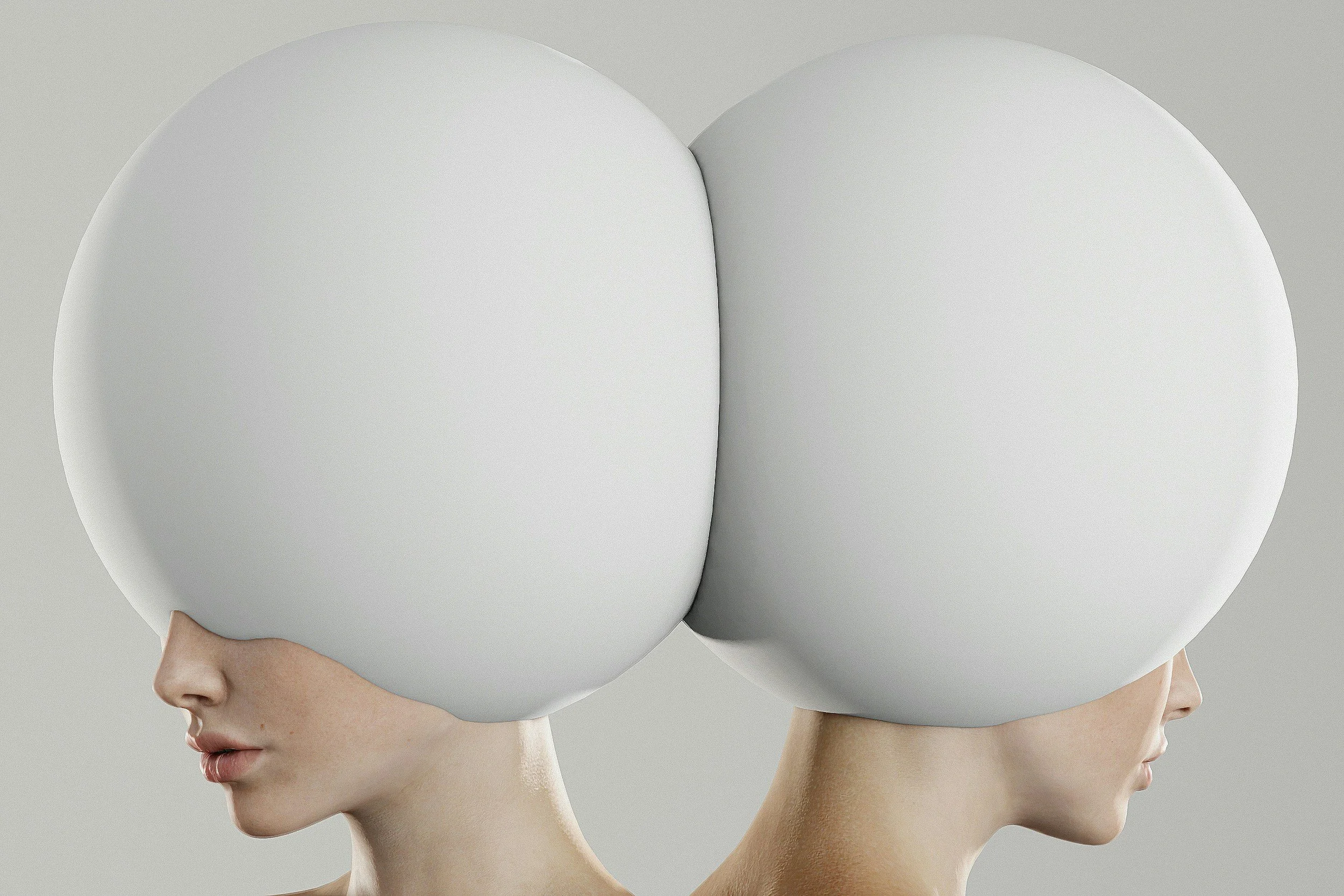
A while ago, I decided to start writing about Food Therapy. My goal wasn’t just to explain the concept itself, but to explore everything it encompasses — the way it connects with our energy, emotions, and daily rhythms.
So, I began by writing two articles here on Medium and sharing them across my social media, each shaped a bit differently to fit the platform. Now, I feel it is time and expand into new subtopics.
In the first article, Ancient Wisdom, Modern Rhythm: How Chinese Medicine Helped Me Rethink Health, I explored the roots of Traditional Chinese Medicine (TCM) — its history, philosophy, and the way therapies like food therapy, acupuncture, and herbal medicine can nurture our energy, digestion, mood, and long-term balance.
In the second, Ancient Wisdom, Modern Rhythm, Part 2, I focused on food itself — how each ingredient has its own energetic qualities, from its thermal nature to its flavor — and how we can use those characteristics to design a diet that restores harmony and balance in our bodies.
The more I studied Food Therapy, the more I saw it as a bridge between two worlds: the ancient Eastern approach rooted in balance and nature, and the modern Western approach grounded in detailed science and specialization.
As I continued exploring the topic, I became more curious about where these ideas actually come from — and how different cultures understand health and healing. That curiosity led me to compare Eastern and Western perspectives.
Eastern vs. Western Knowledge: Two Views of Healing
Have you ever wondered how differently cultures approach food and medicine? For thousands of years, Eastern traditions have seen something profoundly simple yet wise — that food and medicine are not separate. They come from the same source. This belief shows up in daily life, from the ingredients used in meals to the rituals surrounding nourishment.
In contrast, Western culture has only recently begun to rediscover this connection, often through trendy terms like superfoods or functional nutrition. But what’s new to us has always been an integral part of Asian healing traditions. In Traditional Chinese Medicine (TCM), every food has its own energetic signature — its flavor, temperature, and effects on the body. The art lies in knowing how to use these qualities to nurture balance.
Where Western medicine often focuses on treating symptoms, TCM looks deeper — aligning body, mind, and environment to uncover root causes. One isn’t better than the other; they simply see health through different lenses.
The truth is, we need both. Western medicine brings precision and immediacy when it’s most needed, while Eastern medicine offers long-term healing, prevention, and harmony. Together, they form a complete picture of what it truly means to be well.
What About Science?
TCM is often seen as ancient, even mystical, yet many of its core ideas are now being explored and supported through modern research. Rather than opposing science, it offers a different language and framework that science is slowly learning to translate.
For example, what TCM calls Qi and meridians can be loosely paralleled with emerging concepts like bio‑informational networks and complex signaling pathways in the body.
Acupuncture, once dismissed as placebo, is now being studied with tools like functional MRI, which show changes in brain activity and measurable effects on pain modulation and nervous system regulation.
Herbal medicine, too, is being examined in a more nuanced way. Instead of isolating single “active ingredients,” researchers are beginning to look at whole formulas and how their compounds work together to influence inflammation, immunity, and other systems — a perspective that mirrors TCM’s focus on synergy rather than singular magic bullets.
Nutrition science is also catching up to ideas that TCM has held for centuries. The modern concept of food synergy, where the effects of nutrients depend on their context within whole foods and dietary patterns, sounds very similar to the TCM view of foods as energetic substances that act in combination to create balance or imbalance.
All of this points toward a new era where ancient frameworks and modern science can inform each other. Instead of choosing between “traditional” and “scientific,” there is an opportunity to let both deepen our understanding of health, prevention, and truly personalized care.